Call now - 02 556 0556    Email - info@treehousenursery.me

Curious   Innovative    Empowering   

A Week in Our Classrooms

Most nursery websites tell you what they intend to do. This page tells you what actually happened in our classrooms during one ordinary week, across all our groups, with children aged one to four. If you are choosing a nursery in Khalifa City A, that is a more useful thing to read than a list of promises.
Careful hands: droppers, scooping and pinching

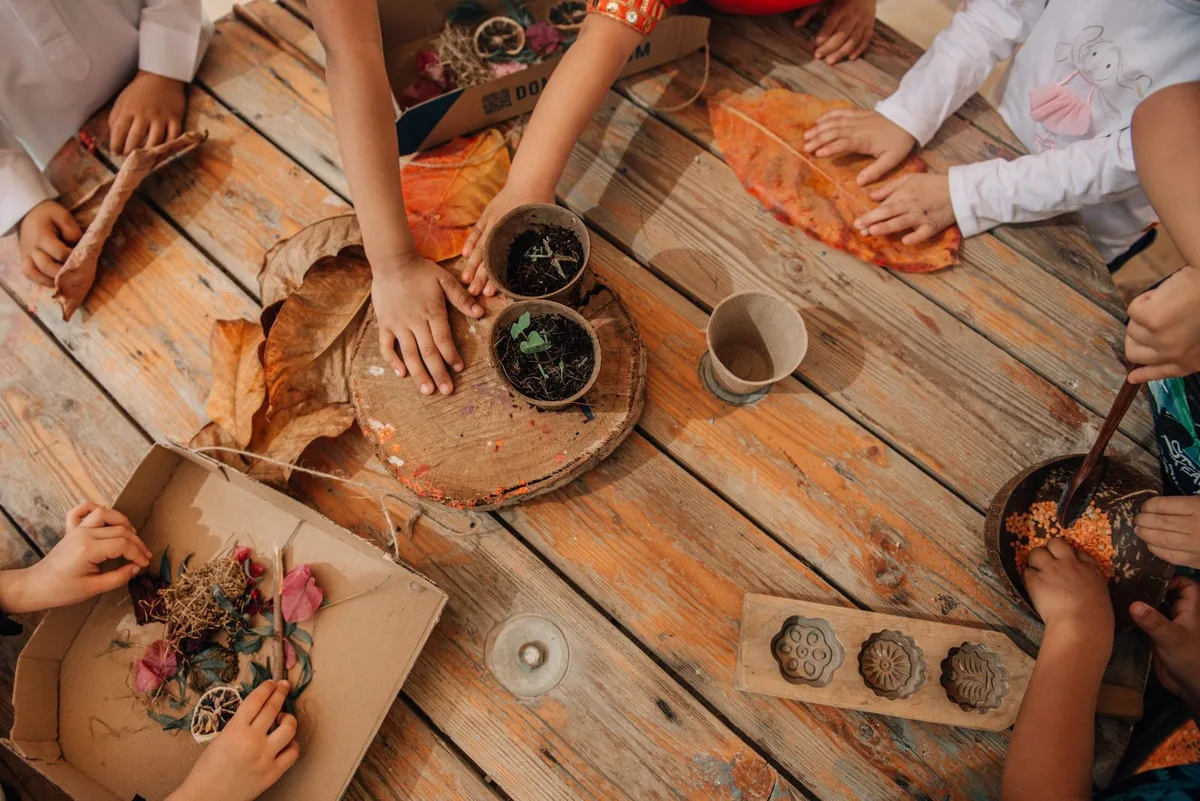
Children's hands arranging dried leaves, petals and seedling pots on a wooden outdoor table
Fine motor work is the quiet backbone of the week. Children cut and paint, scoop dry materials from one container into another, and squeeze droppers to move coloured water a few drops at a time. The pinching movement that takes is the same one a pencil will need later, so we give children plenty of reasons to practise it: arranging dried leaves and petals into a collage, pressing seeds into small pots, picking the smallest things off a tray one at a time.

Counting friends, numbering towers

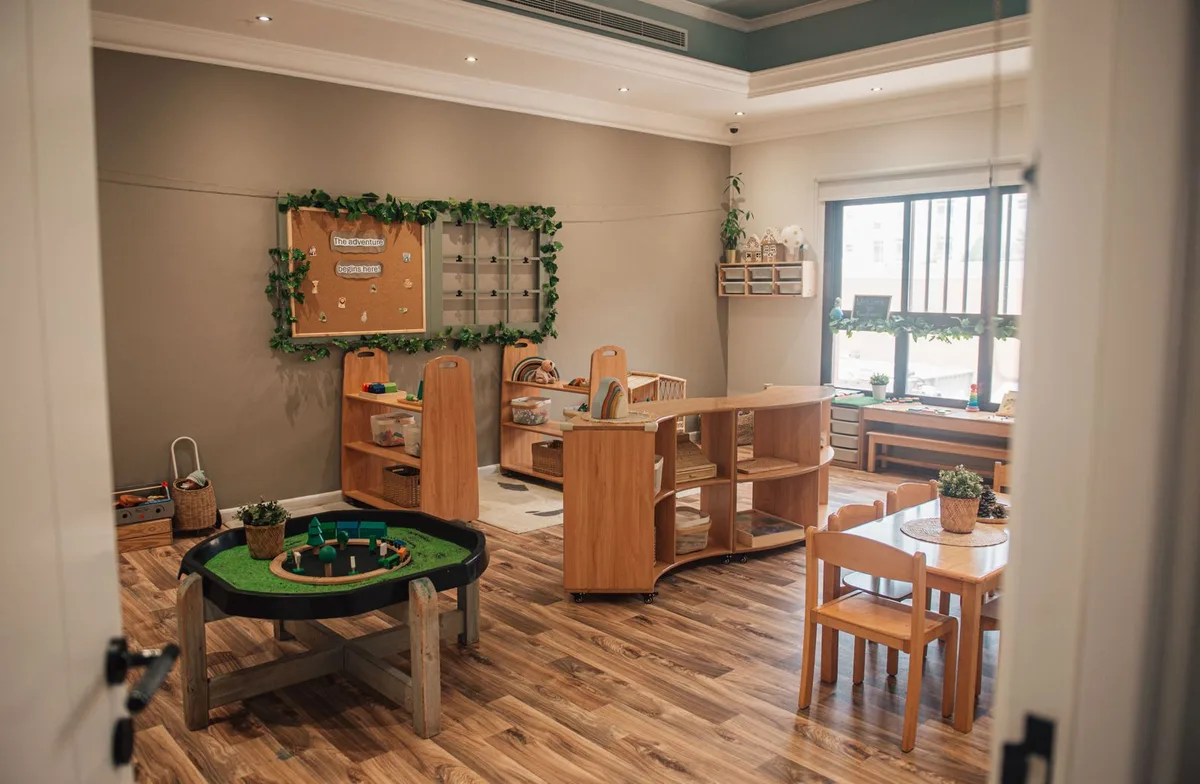
Empty nursery classroom with tuff tray, wooden shelving, low tables and a display board
Early maths starts with the register. Each morning the children count who is here and talk about how many are in the class that day, so the numbers are attached to real people they can see. In the block corner they build their families, one tower per person, and give every tower a number. There is no worksheet involved and the children do not experience it as a maths lesson. It is building, and the counting arrives with it. The same corner does second duty for small-world play, where those towers become houses and the families move in.

On the playground: sand, a playhouse and spring riders

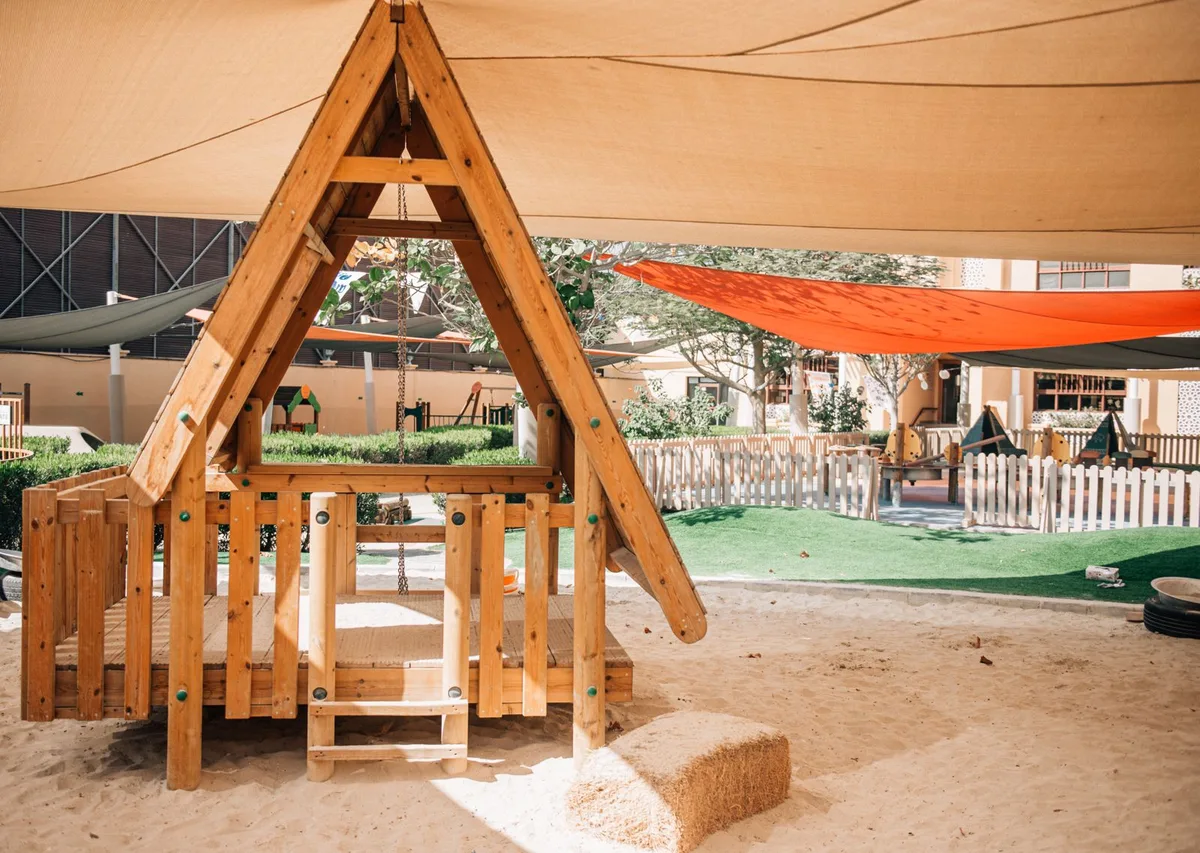
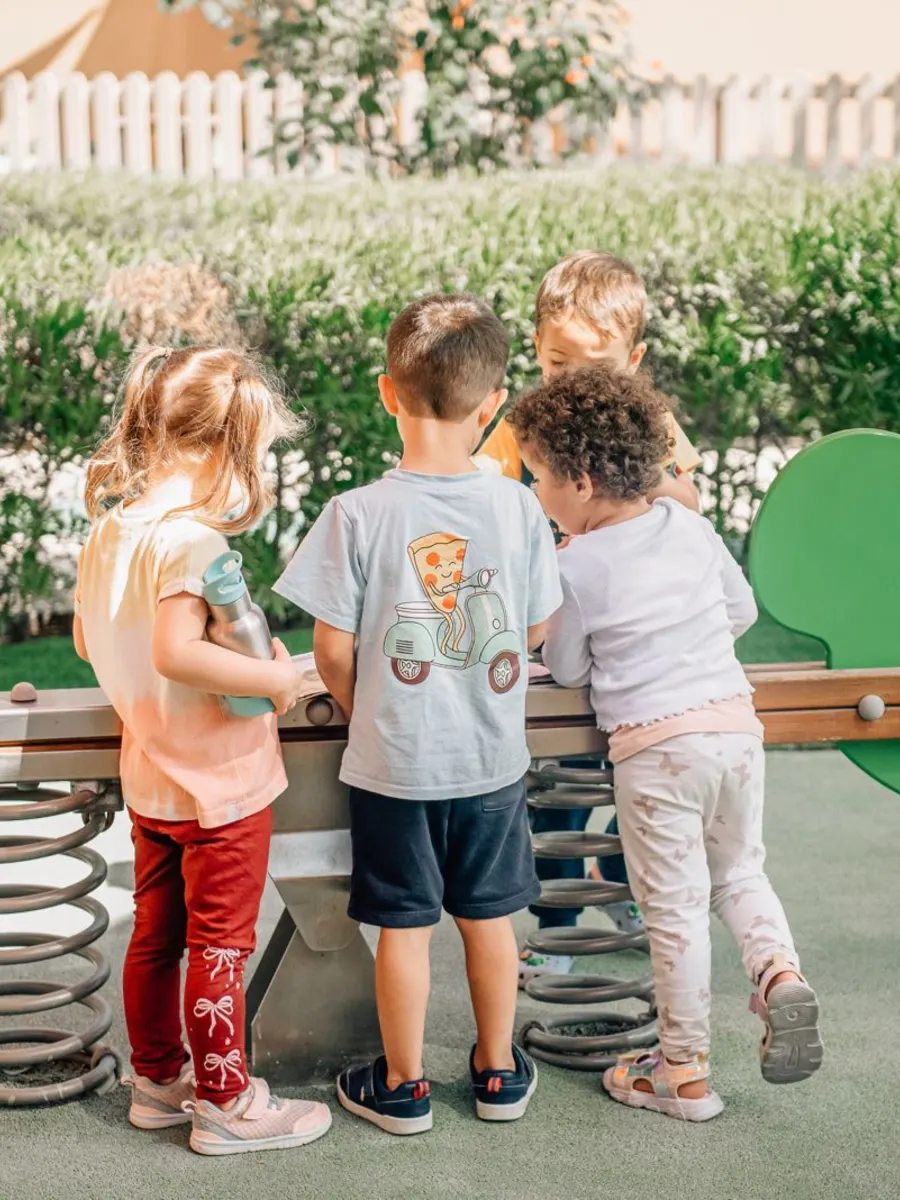
Wooden playhouse with swing over a shaded sand play area in the nursery gardenThree children playing together on a spring rider in the shaded outdoor play area
Outdoor time has its own place in the week. Outside there is a shaded sand area, a wooden playhouse with a swing, and spring riders, and the children run, climb and play together on all of it. Physical play like this keeps young bodies fit and healthy and builds the big movements everything else rests on. What we watch for is not athletic skill but confidence: a child trying something this week that she would not go near the week before, and her friends waiting their turn while she does it.

Planting herbs and seeds for the aquaponics structure

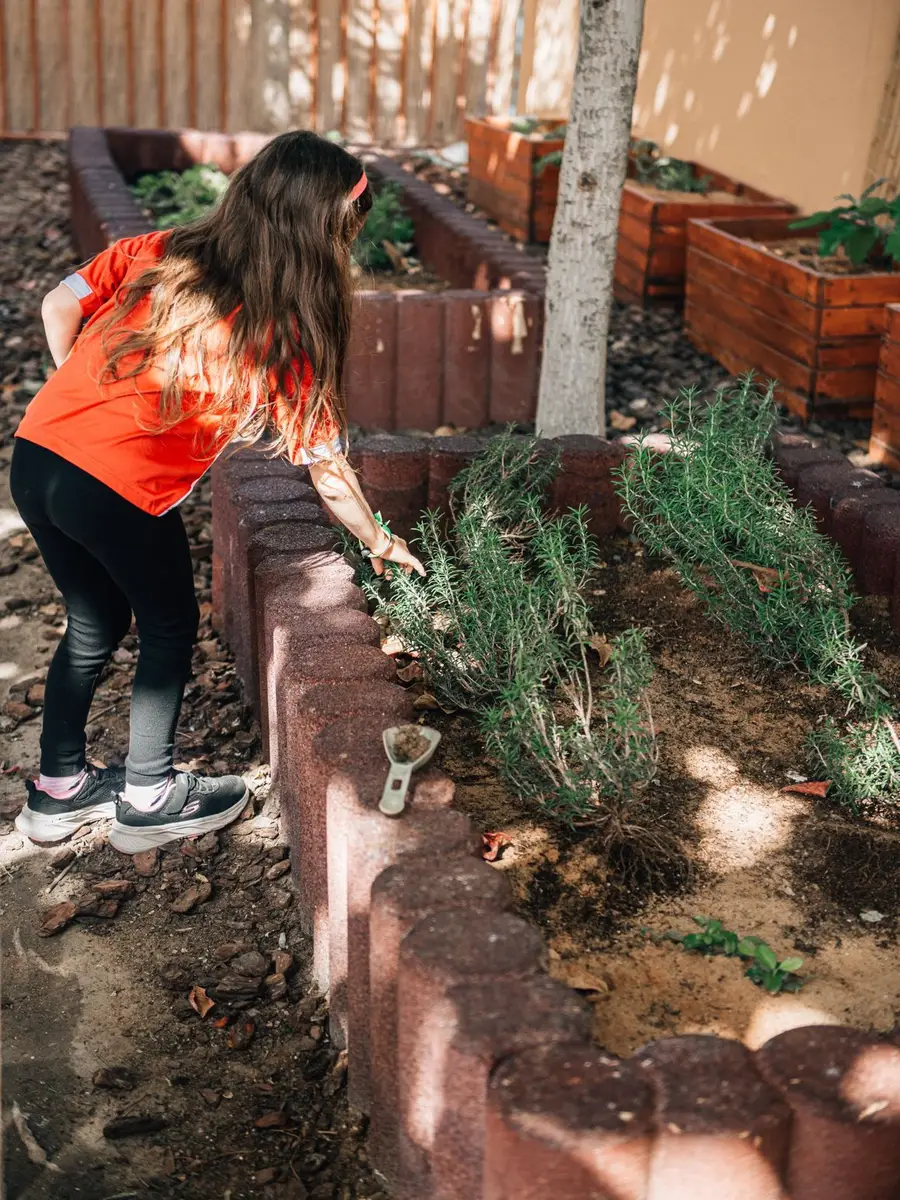
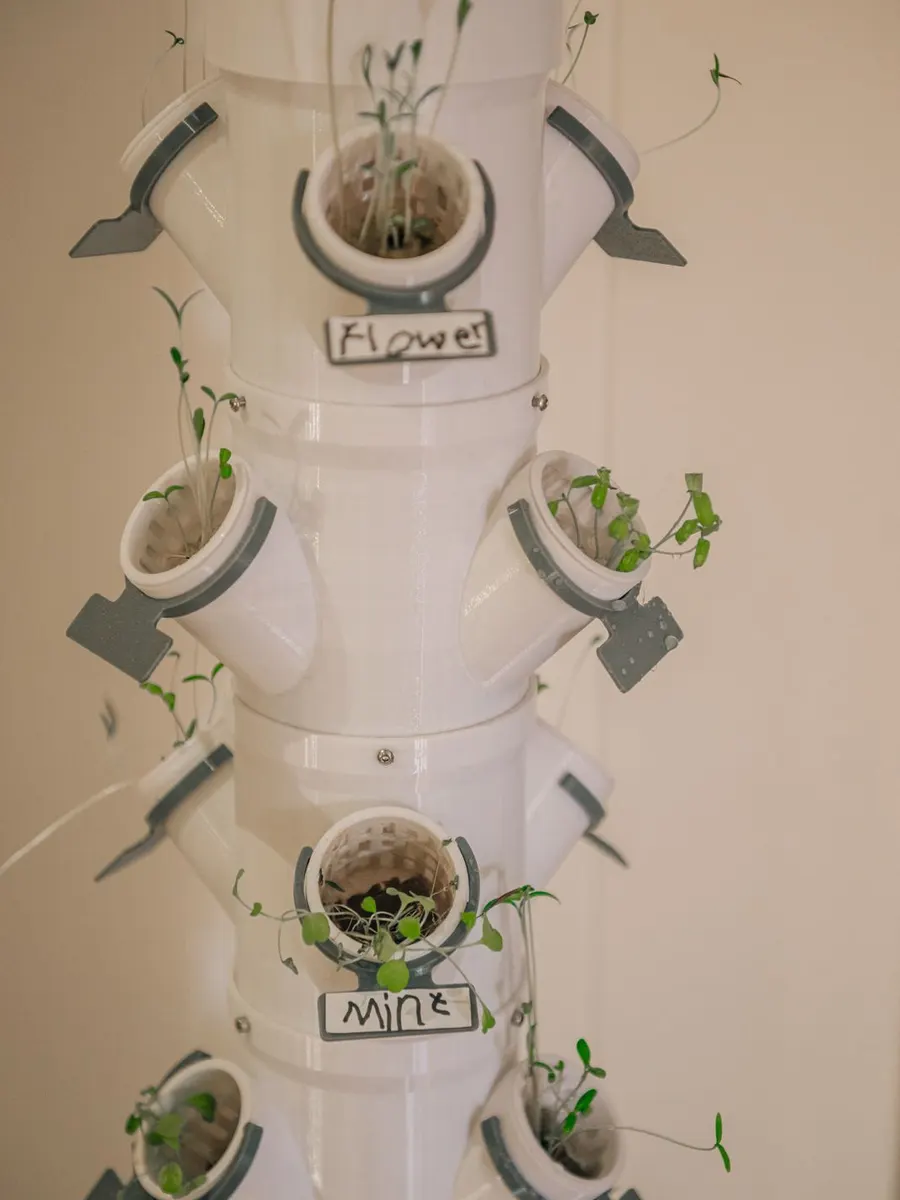
A child tending herbs in a raised bed in the Treehouse Nursery herb gardenSeedlings growing in a white aquaponics tower, with pots labelled flower and mint
Part of the week happened in the garden. The children spent time planting herbs in our herb garden, and they germinated seeds of their own to plant into our aquaponics structure. Growing something from a seed asks a young child to wait, look and come back to it, which does not come naturally at two or three. Seeing the first shoots appear gives them a reason to keep checking, and plenty to talk about when they do.

Stories every day, in English and in Arabic

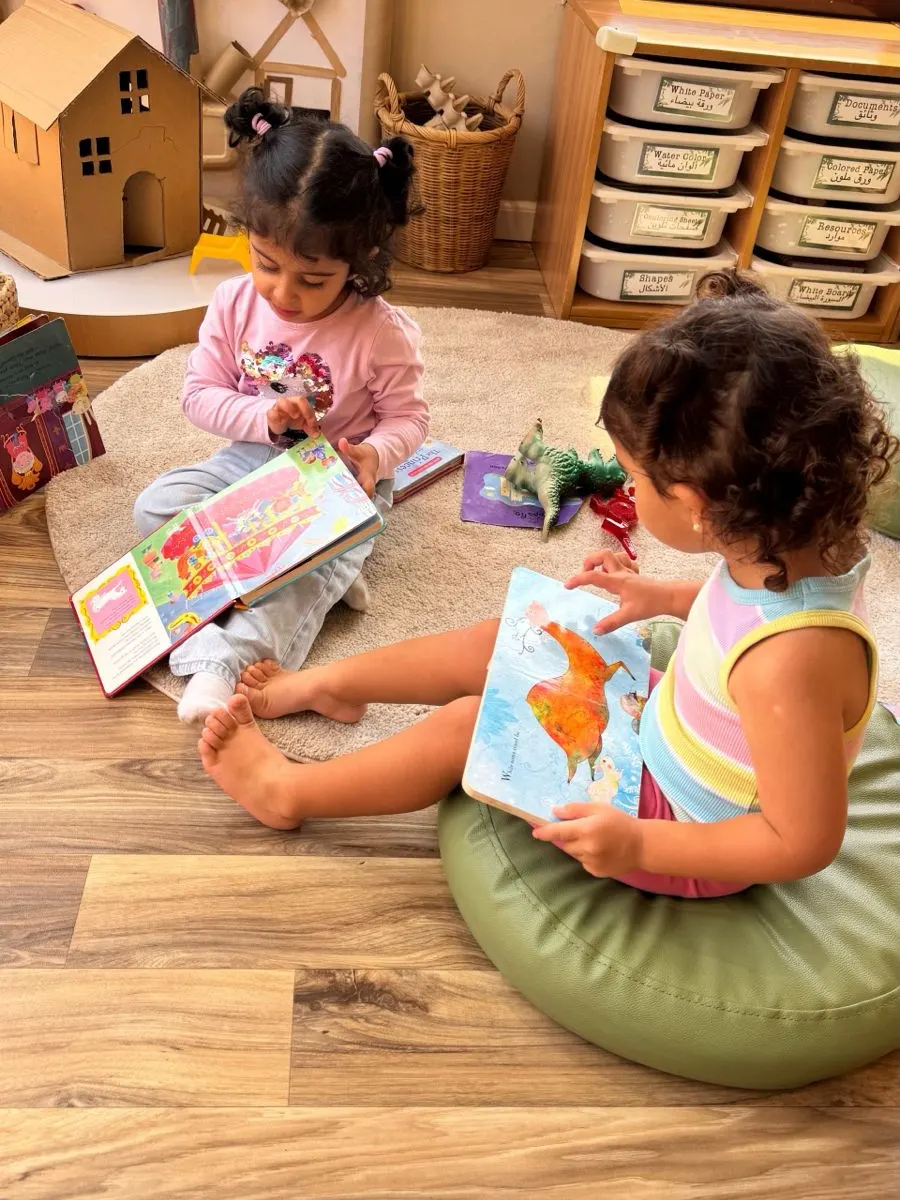
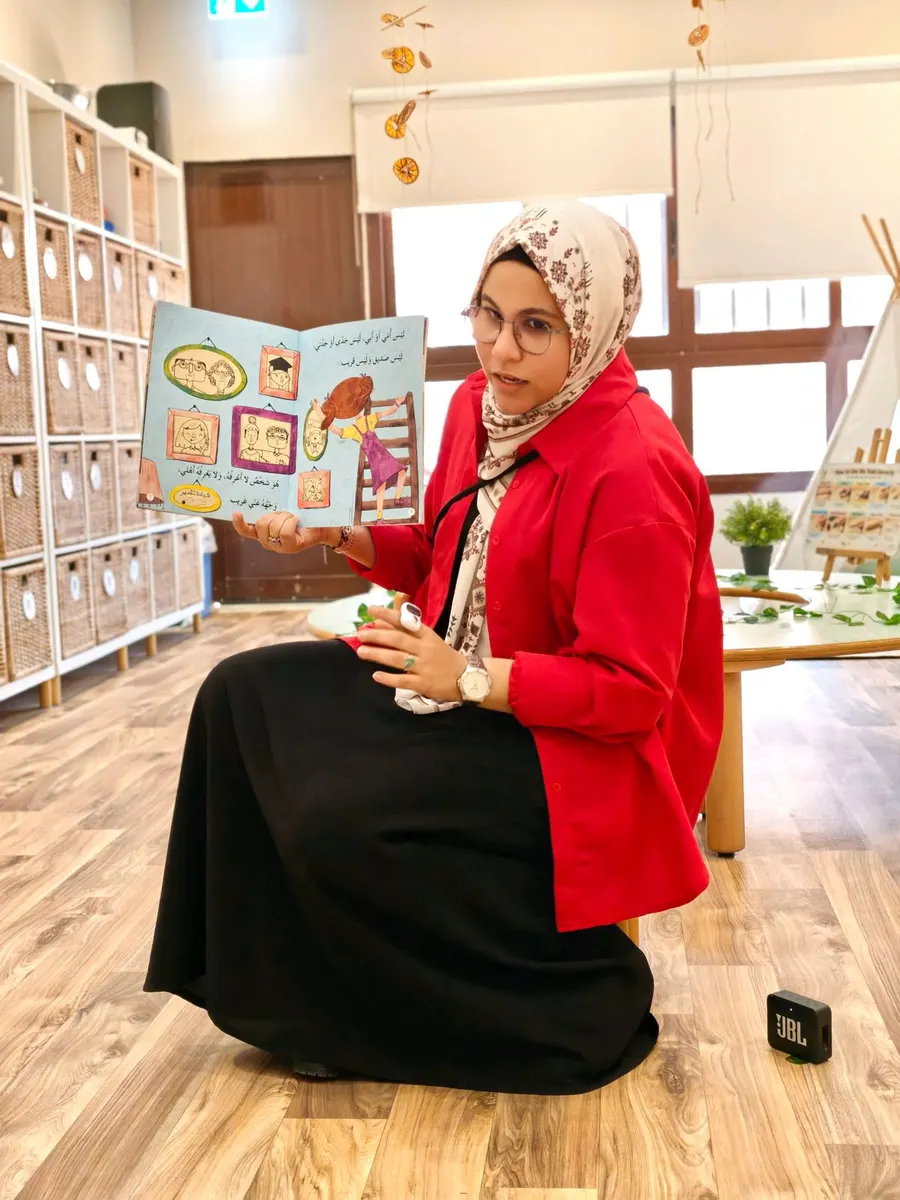
Two children sitting on floor cushions looking through picture books in a Treehouse Nursery classroomA teacher holding up an Arabic picture book during Arabic story time
Throughout the week the children worked on developing their literacy skills even further. There was story time every day, and Arabic story time as well, so stories reached them in both languages. In between, they explored books and print independently, choosing what to look at and turning the pages themselves, and there were mark-making opportunities across the week. Mark making is where writing starts: long before a child can form a letter, they learn that the marks they make can carry meaning.

Sensory play, set up around what the children are curious about

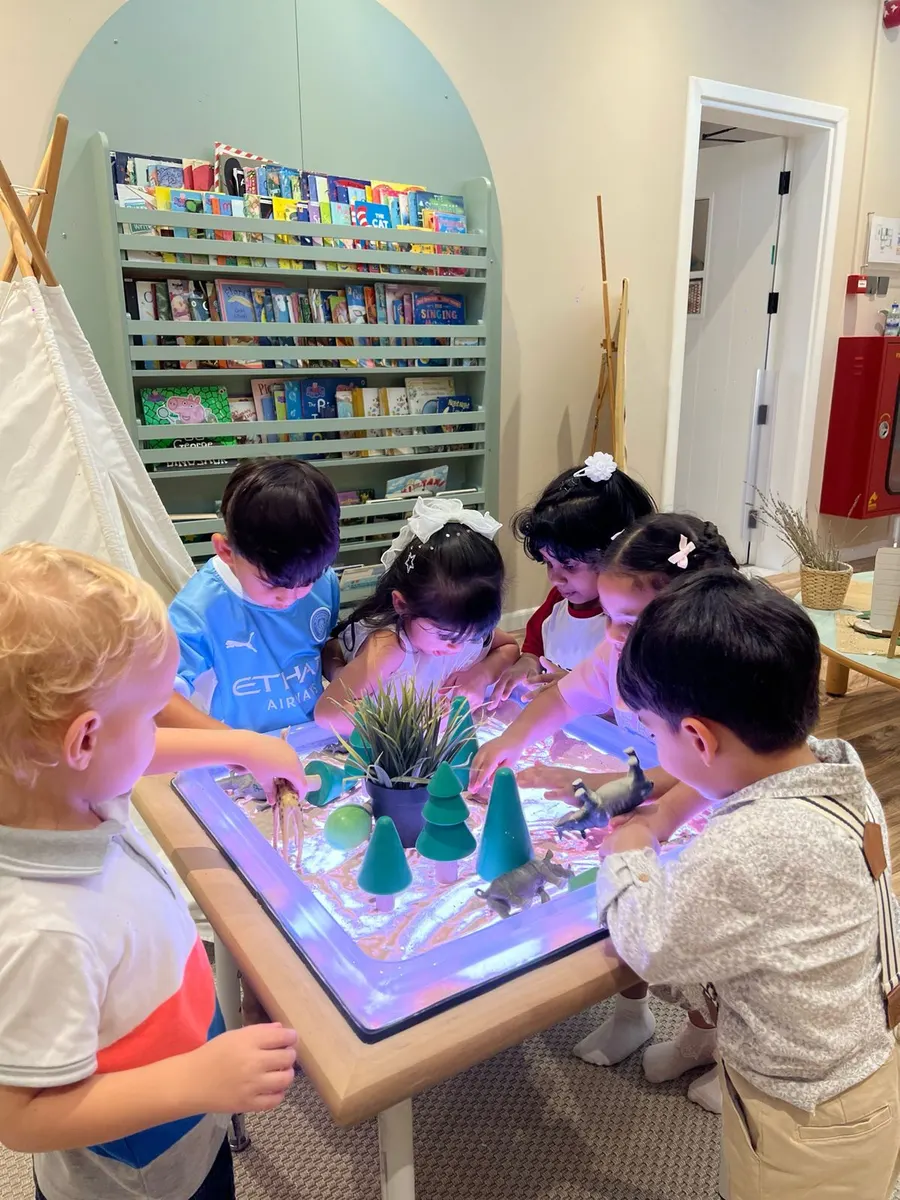
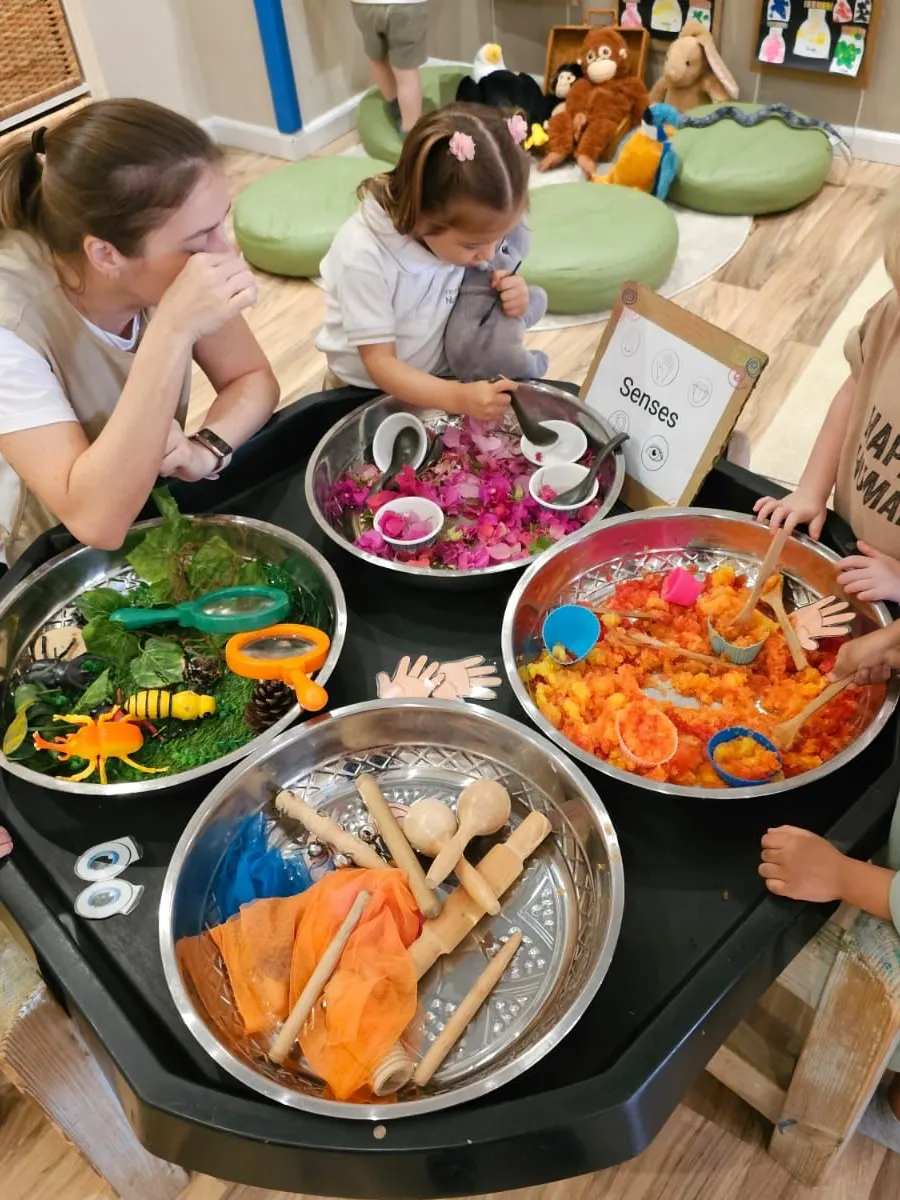
Children gathered around a glowing light table with small trees and figuresA teacher and children exploring trays of coloured sensory materials set out around a five senses sign
Sensory play is part of daily life across all our classrooms, not an occasional extra. The daily set-up usually reflects the interests of the children or the area of learning we are focusing on, so it changes as they do. One day that might be a light table with small trees and figures; another, a set of trays filled with different textures and colours. Children touch, pour, squeeze and sort, and the conversation that grows around the tray is often as valuable as the play itself.

Arabic through play, not as a timetabled lesson

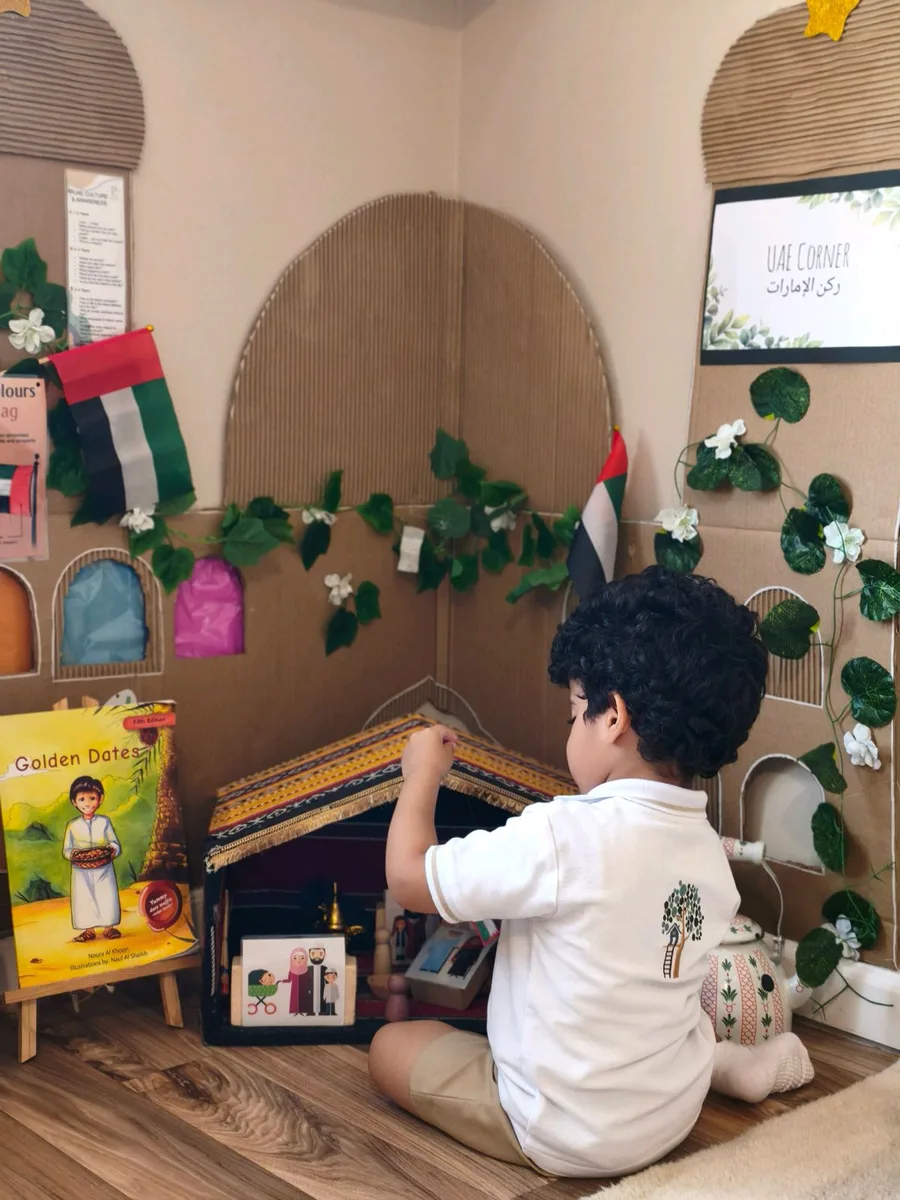
Child playing at a cardboard UAE corner with majlis, flags and Emirati story books
Arabic belongs to the ordinary day at Treehouse rather than to a slot on a timetable. It turns up in play, in songs, and in the words the adults use while the children are busy with something else, which is how young children absorb a language most easily. The children also play at a UAE corner set up with a majlis, flags and Emirati story books, so the language sits next to the place it comes from. Families who are new to Abu Dhabi often ask about this first, and it is worth seeing in person rather than reading about.

Families, friendships and finding the words

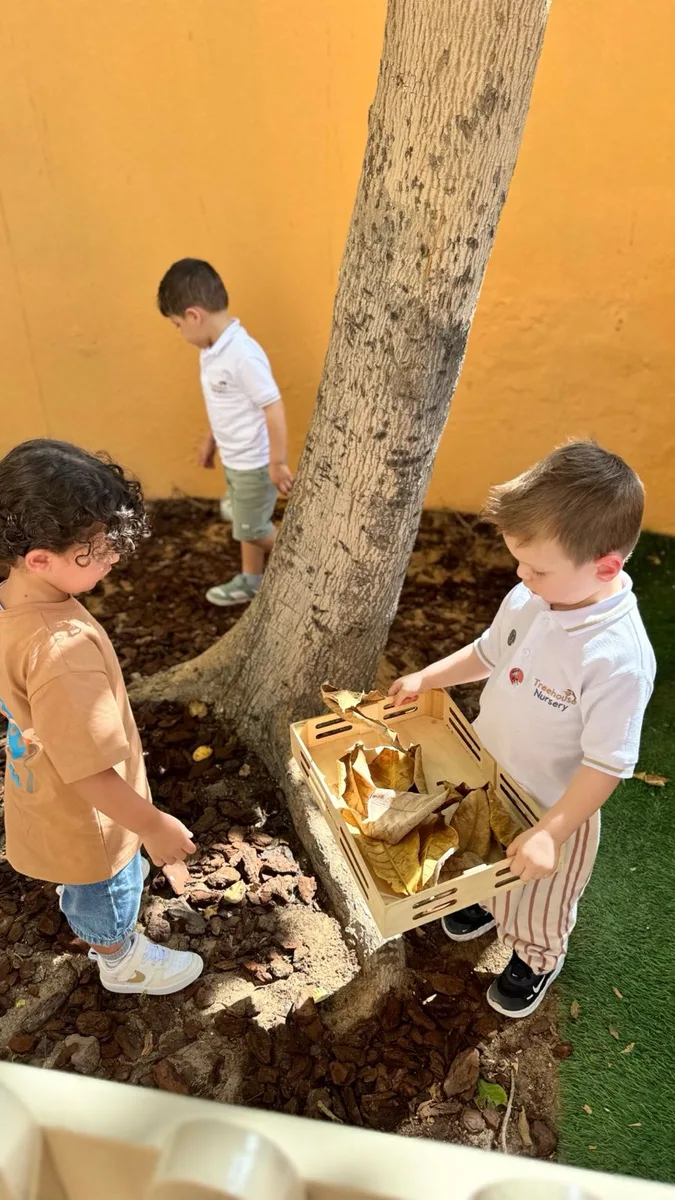
Two children collecting dried leaves in a wooden crate under a tree in the nursery garden
The thread running through the week was families. Children told their friends about the special people at home, acted those people out in role play, and brought the cultures and traditions of their own homes into the classroom to celebrate with everyone else. Our children come from a lot of different countries, and that is treated as something to share rather than something to manage. Around it, the group gathers to investigate and explore whatever has caught their interest, and the children take turns, look after one another and get steadily better at telling other people what they think. By the end of the week they were noticeably kinder and more helpful with each other, which is the part we are most pleased about.

Music and movement: finding out what their bodies can do

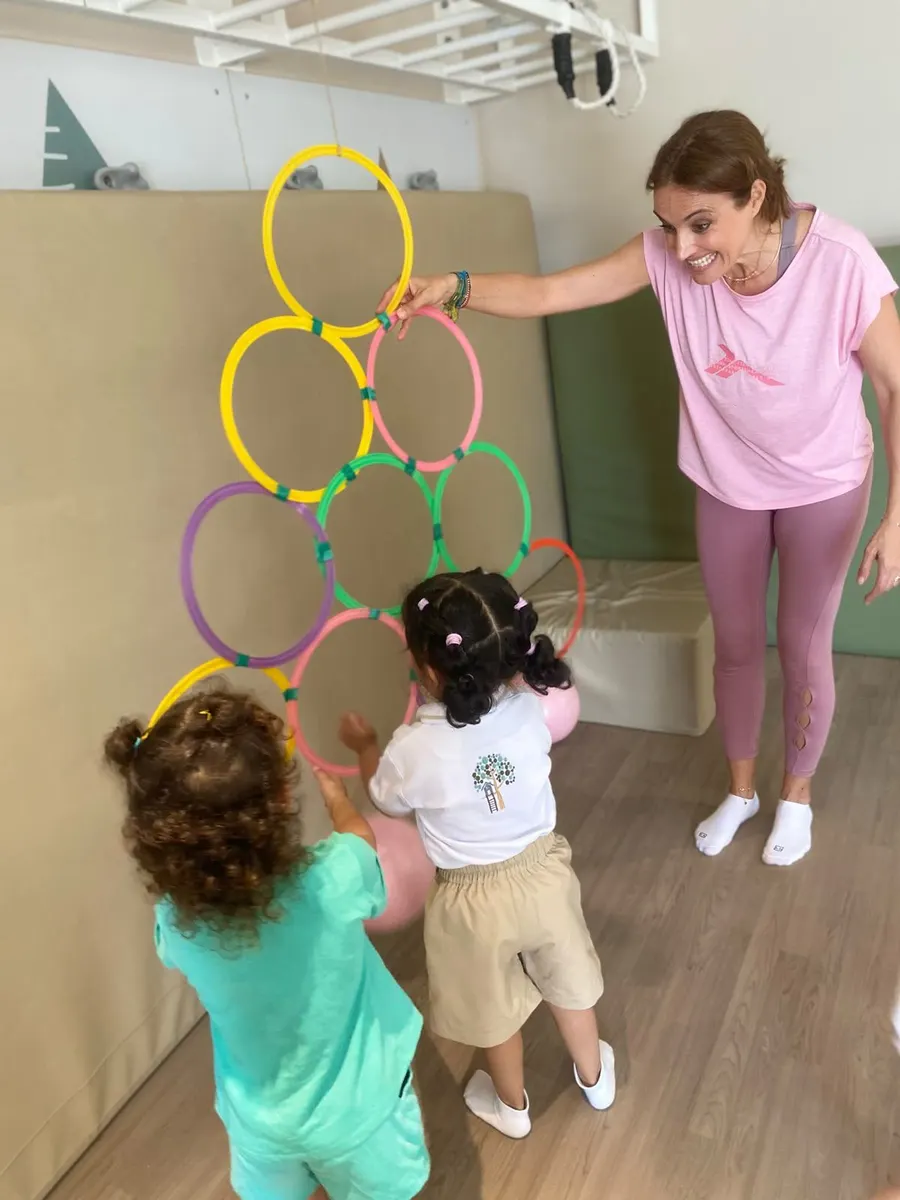
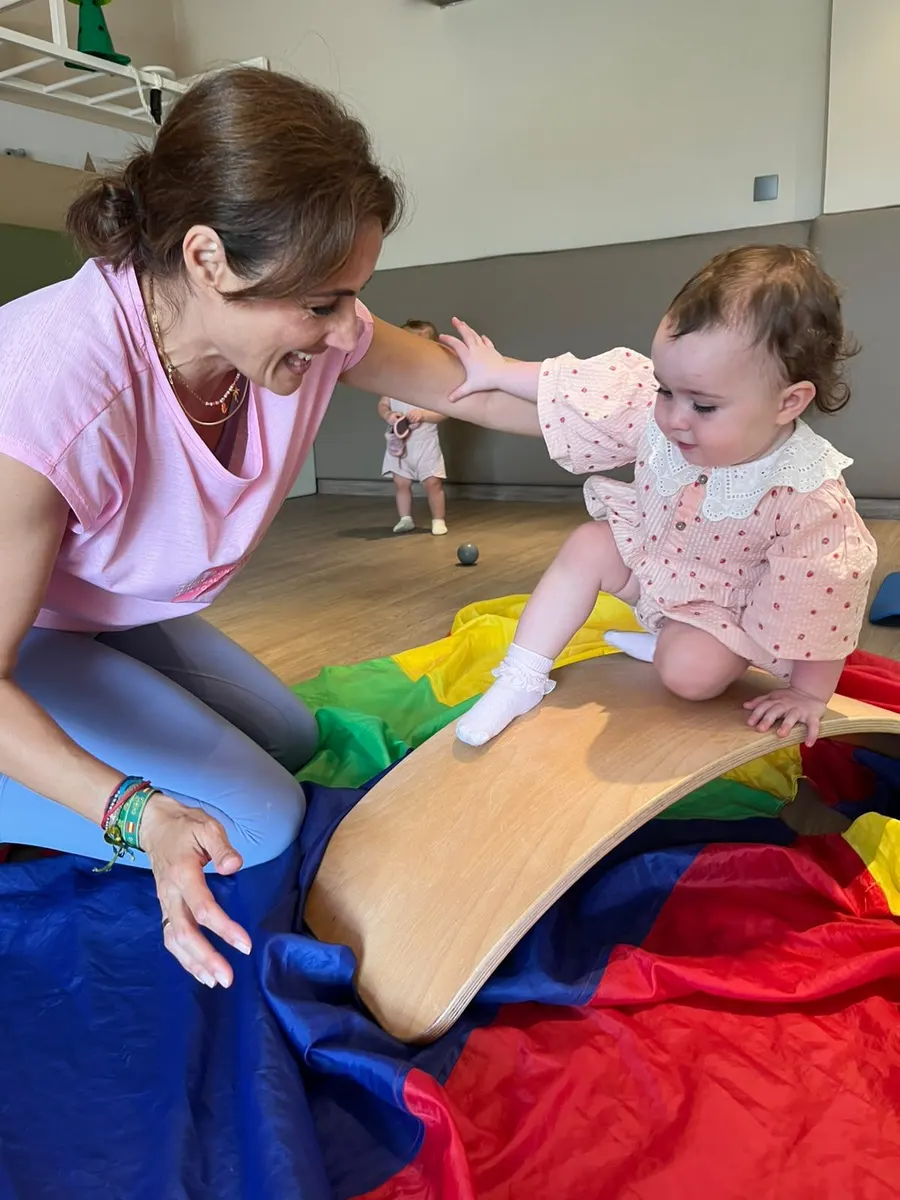
A teacher guiding two children reaching for coloured hoops on a padded wall in a music and movement classA teacher supporting a toddler balancing on a curved wooden board during a music and movement class
In music and movement classes the children explored how their bodies move to different sounds, and found out along the way how capable they are. They took risks, played games that challenged their gross motor abilities, and explored the sounds that different instruments make. For the youngest, a risk can be as small as standing up on a curved wooden board with a teacher close by. The point is the same at every age: a child tries something, finds they can do it, and tries the next thing with a bit more confidence.

A Reggio-inspired project, built over the week

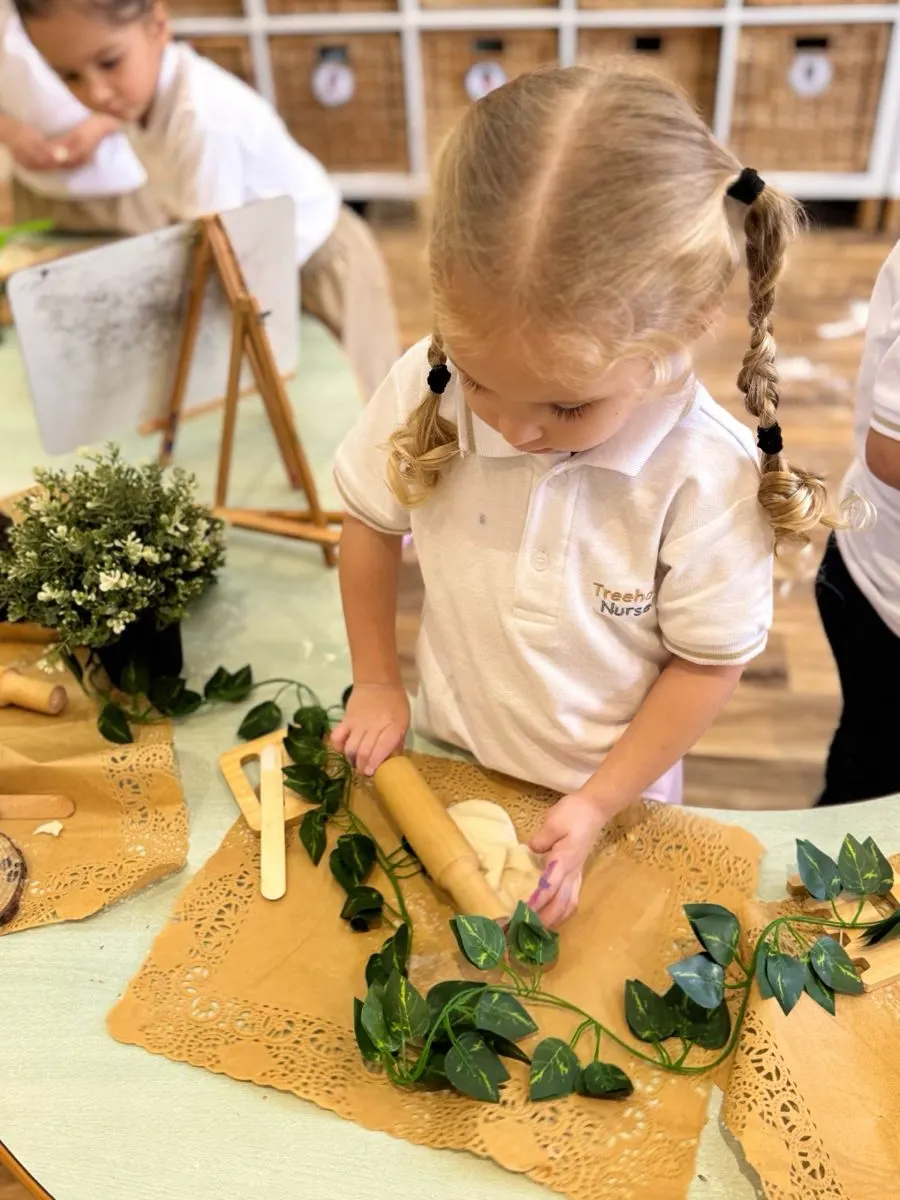
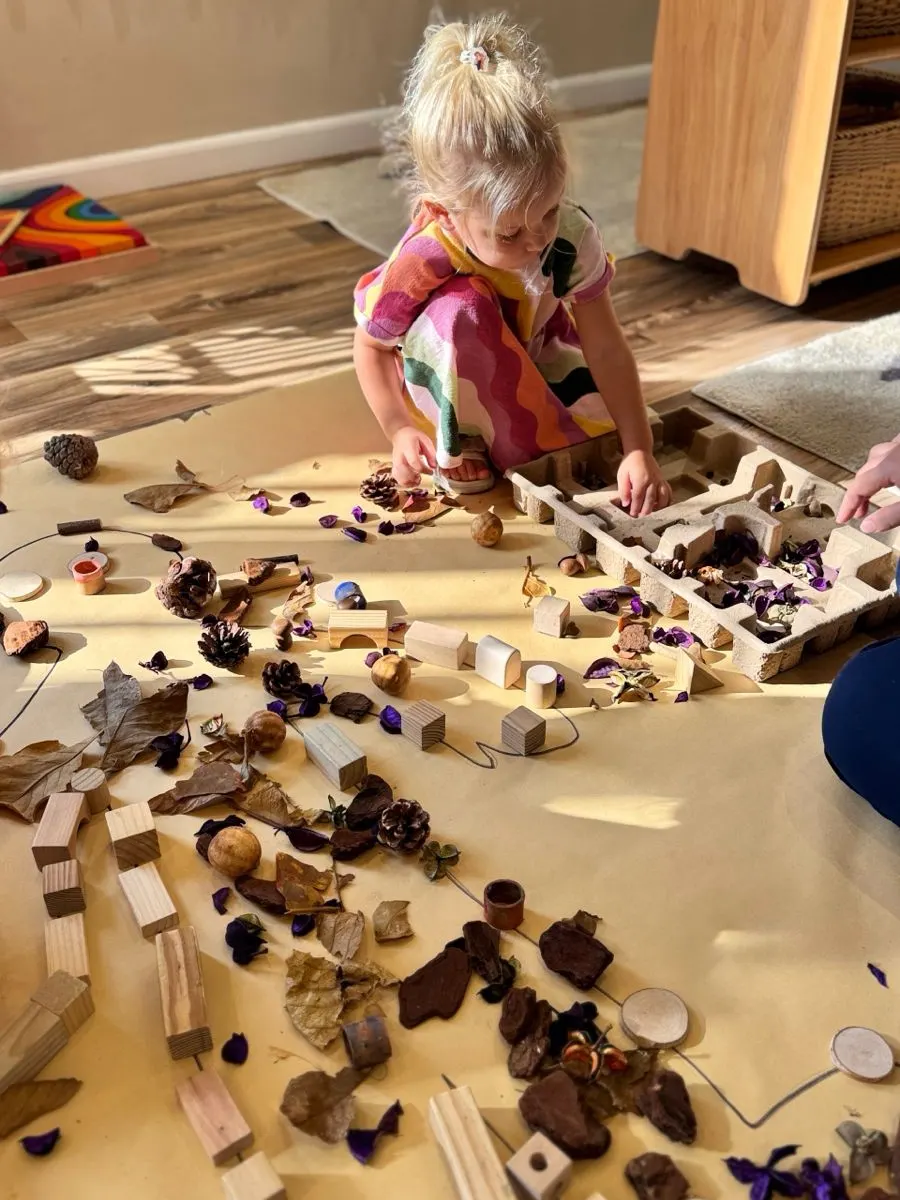
A child rolling dough beside green leaves and a small plant as part of a classroom nature projectA child arranging pine cones, wood slices and dried flowers across a large floor tray
The children worked collaboratively on a Reggio-inspired classroom project, spread out across the week rather than finished in one sitting. It began on a nature hunt, where they collected natural materials together, and those materials became the project. Coming back to the same work over several days lets children add to an idea, change their minds and build on what a friend started, which is much of what the Reggio Emilia approach is about. It also means agreeing on what to do next, and at this age that takes real practice.

Nature hunts: looking, ticking off, collecting

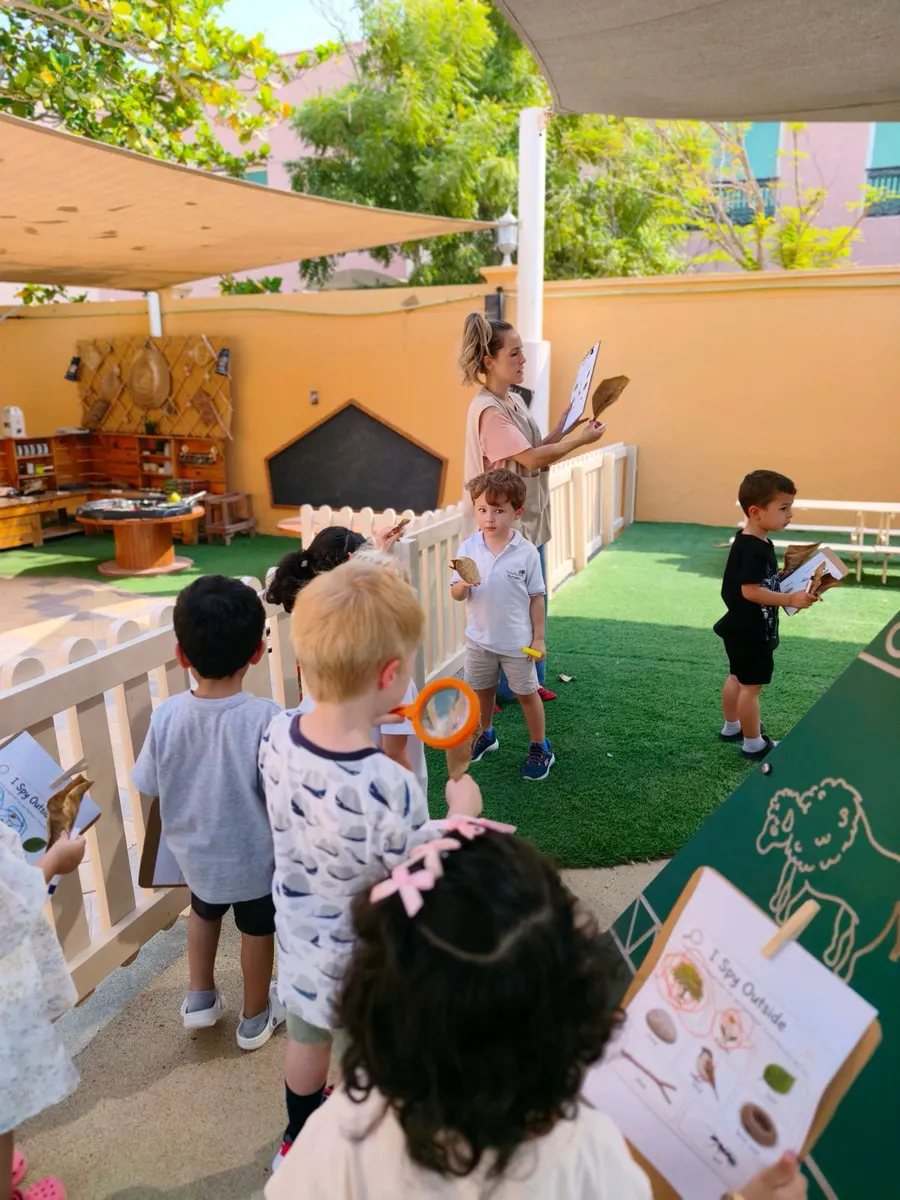
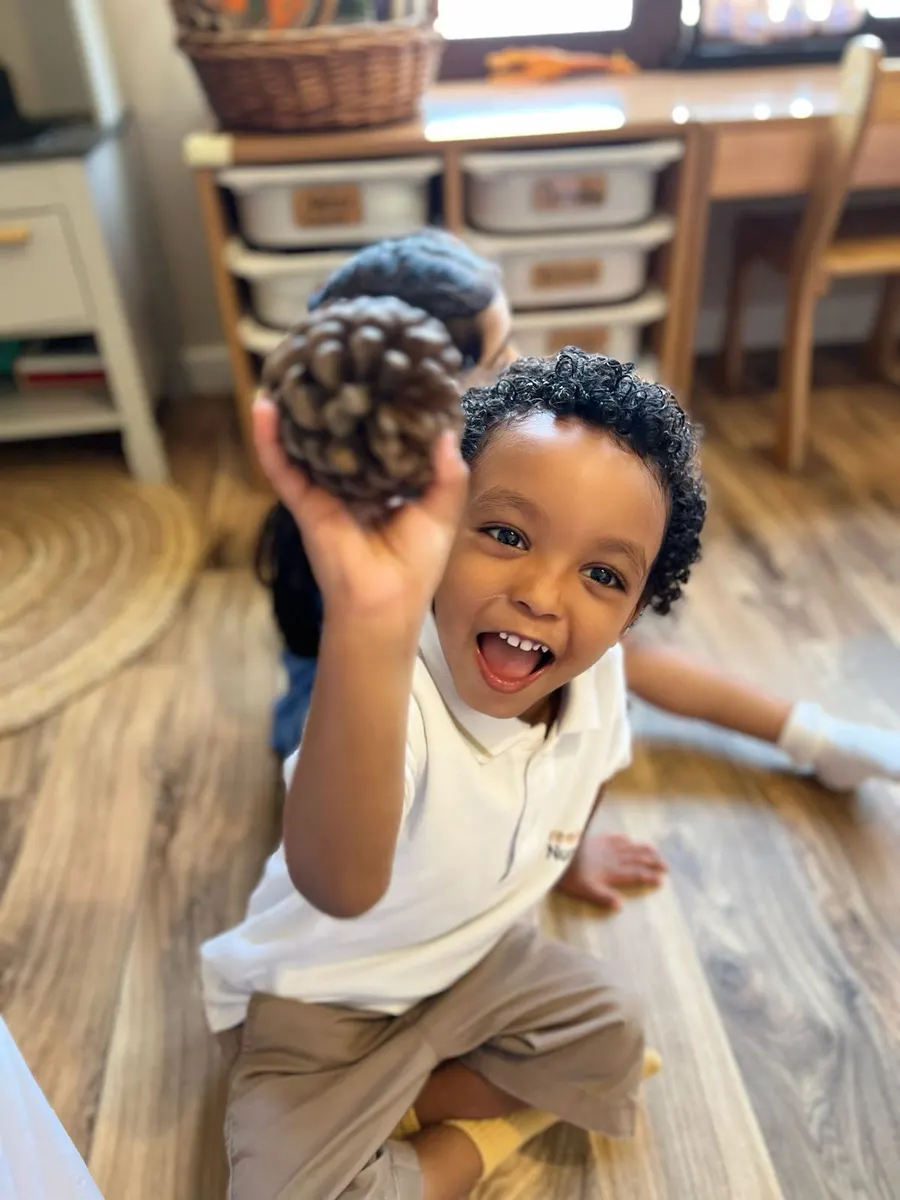
Children in the nursery garden holding picture checklists during a nature huntA smiling child holding up a pine cone found on a nature hunt
We explored the outdoors looking for natural materials for our classroom creations. The children ticked off, recorded and collected what they found: leaves, twigs, pebbles, sand, wood chips and plants. A hunt like this asks children to look closely, match what they see to what is on the list and decide whether it counts, and every find comes with something to say about it. What they gathered went back into the classroom, where it became part of the week’s project.

In the gym: climbing, balancing and moving with control

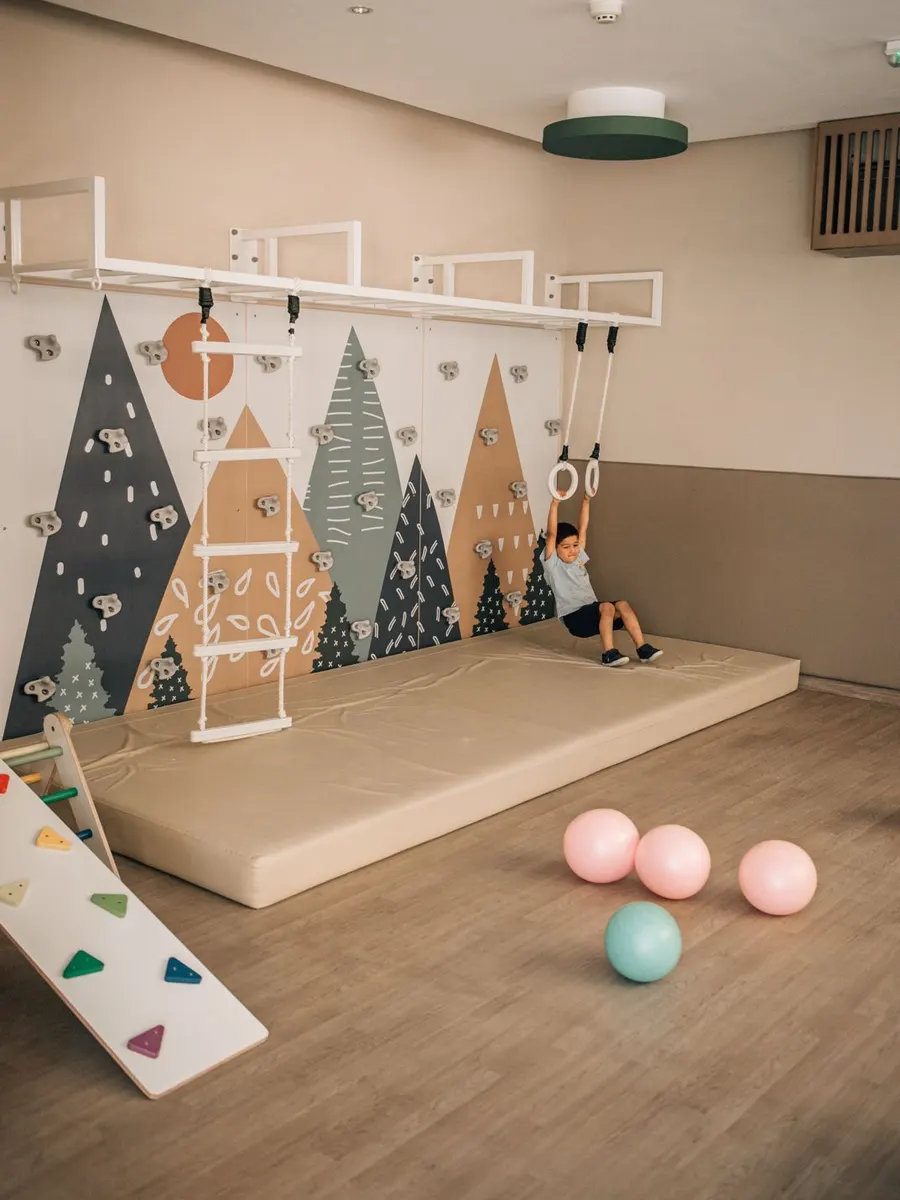
The nursery gym with a climbing wall, wooden ladder, soft mats and play balls
Gym time is a separate part of the week from outdoor play. In the gym there is a climbing wall, a ladder and soft mats to land on, and the children climb, balance and move in ways a classroom does not allow. It builds gross motor abilities and the ability to navigate obstacles with control, and control is the part that takes longest. A child who can climb is one thing; a child who can climb, stop, look and choose where to put a foot next is another.

Come and see a normal day

The only real way to judge a nursery is to walk into it while the children are in it. Tours run from 8am to 2pm, so you can visit while the classrooms are busy instead of after everything has been tidied away. We are at Villa 17, Al Jawdah Street, Khalifa City A, Abu Dhabi.

Call 02 556 0556 to arrange a time, or send us a message and we will call you back.

Call 02 556 0556

WhatsApp